
Chronic Dry Eye in Houston: When Eye Drops Are Not Enough
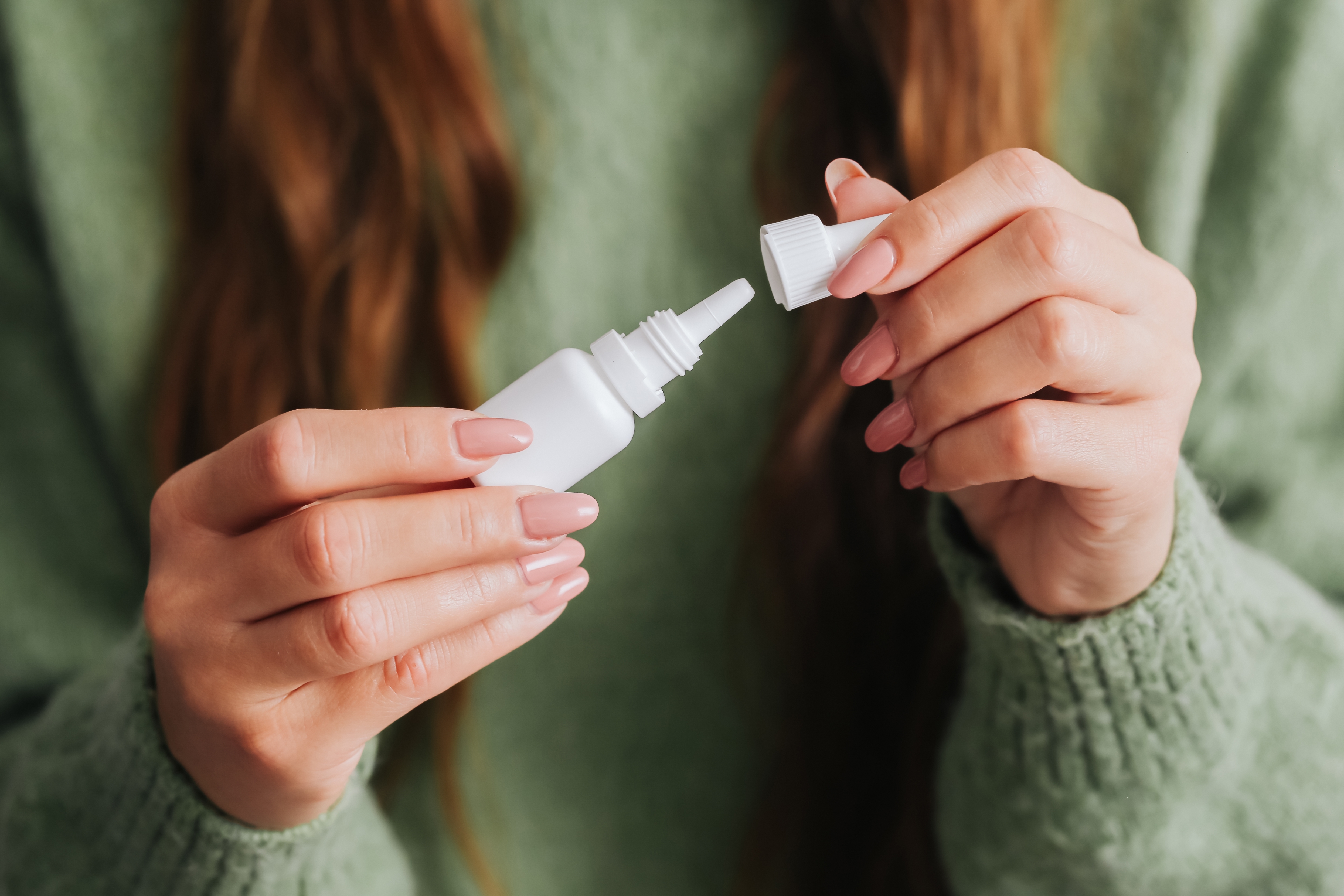
Dry, irritated eyes can happen occasionally, especially after a long day of screen use or exposure to wind and air conditioning. But when burning, redness, grittiness, or blurry vision becomes a regular problem, you may be dealing with chronic dry eye. For many patients in Houston, over-the-counter eye drops provide temporary relief but do not address why symptoms keep returning.
At Downtown Vision Source, we evaluate the underlying causes of dry eye so treatment can be tailored to each patient's needs.
Why Do Eye Drops Stop Working?
Artificial tears are often helpful for mild or occasional dry eye because they add lubrication to the surface of the eyes. However, chronic dry eye can develop for several different reasons. Your eyes may not produce enough tears, or your tears may evaporate too quickly because the protective oil layer is not functioning properly.
When the underlying issue is not addressed, lubricating drops may only provide short-term comfort. Some people find themselves using drops repeatedly throughout the day while symptoms continue to interfere with reading, driving, computer work, or wearing contact lenses.
Signs Your Dry Eye Needs More Attention
Persistent symptoms are a good reason to schedule a dry eye evaluation rather than continuing to rely solely on over-the-counter products. Common signs include:
- Burning, stinging, or gritty sensations
- Red or irritated eyes
- Watery eyes or excessive tearing
- Fluctuating or blurry vision
- Sensitivity to light
- Discomfort when wearing contact lenses
- Eye fatigue during computer or phone use
- Needing artificial tears several times each day
Dry eye symptoms can overlap with allergies, eyelid inflammation, contact lens irritation, and other eye conditions. An eye exam helps determine what may actually be causing the discomfort.
Finding the Cause of Chronic Dry Eye
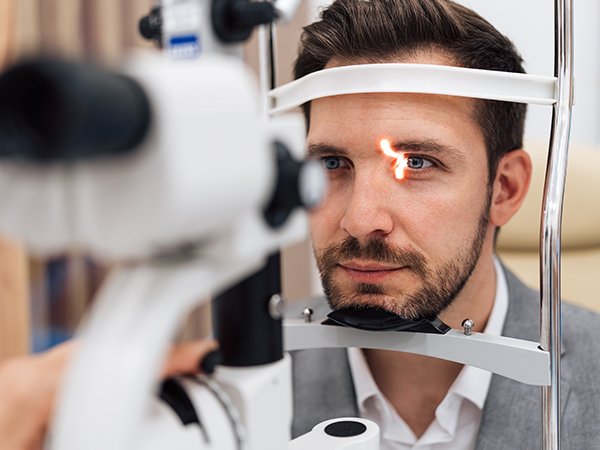
Effective dry eye treatment begins with understanding the condition of your tear film and the surface of your eyes. Your eye doctor can evaluate whether your symptoms are related to insufficient tear production, excessive tear evaporation, inflammation, eyelid problems, blocked oil glands, medications, environmental factors, or a combination of issues.
Houston patients may also notice symptoms worsen because of air conditioning, outdoor heat, wind, long hours in front of screens, or other everyday environmental factors.
Identifying these triggers allows us to recommend treatment based on your specific type of dry eye rather than simply masking symptoms.
Dry Eye Treatment Beyond Artificial Tears
When eye drops are not enough, additional dry eye treatments may help improve comfort and support a healthier tear film. Depending on the cause and severity of your symptoms, treatment may include prescription therapies, specialty contact lenses, methods to conserve natural tears, eyelid care, or in-office treatments designed to improve tear quality and oil gland function.
The right approach is different for every patient. Some people benefit from adjustments to their daily routine, while others need ongoing treatment to manage chronic dry eye more effectively.
Schedule your dry eye evaluation with Downtown Vision Source in Houston, TX, at (713) 222-2300 and find a treatment plan designed for lasting comfort.
Quick Links
Helpful Articles
All Eye Care Services
Find personalized eye care excellence with our comprehensive services. From eye exams to advanced diagnostics, trust us for all your vision needs.

Keep In Touch
For non-urgent questions or to learn more about our services, contact us today!
© 2026 Downtown Vision Source. All rights Reserved - Accessibility Statement - Privacy Policy - Sitemap
Managed and Designed by 