
Living with Glaucoma in Houston: How Early Screening Prevents Silent Vision Loss
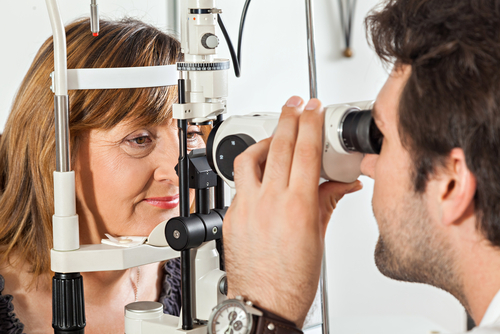
Living with Glaucoma in Houston: How Early Screening Prevents Silent Vision Loss
Clear vision can make it easy to put off an eye exam. But glaucoma can damage your sight before you notice anything wrong. At Downtown Vision Source, we help our Houston patients understand their risk and the value of early detection. Finding glaucoma early allows treatment to begin before more vision is lost.
Why Glaucoma Can Go Unnoticed
Glaucoma damages the optic nerve, which carries visual information from your eyes to your brain. The most common form, open-angle glaucoma, usually develops gradually without pain or obvious early symptoms. Peripheral vision may decline while straight-ahead vision still seems clear.
Vision already lost to glaucoma cannot be restored. Screening alone does not prevent damage, but early diagnosis, appropriate treatment, and consistent monitoring can help reduce the risk of further vision loss.
Who Should Pay Closer Attention?
Anyone can develop glaucoma, but some people have a higher risk. We encourage patients to discuss these factors with us:
A parent, sibling, or other close relative with glaucoma
Age over 60, particularly for Hispanic or Latino adults
Black or African American heritage and age over 40
Elevated eye pressure or previous findings that need monitoring
We use your health history and examination findings to recommend an appropriate schedule. People at higher risk often need a comprehensive dilated eye exam every one to two years, with more frequent visits when indicated.
Glaucoma Screening Goes Beyond Eye Pressure
An eye pressure measurement provides useful information, but it cannot diagnose or rule out glaucoma by itself. Some people develop glaucoma with pressure in the normal range, while others have higher pressure without optic nerve damage.
A comprehensive glaucoma evaluation includes examining the optic nerve, often through dilated pupils, and assessing peripheral vision when indicated. Comparing results over time helps identify changes that may otherwise go unnoticed. During your Houston eye exam, we explain any concerning findings and the next steps for evaluation or monitoring.
Living With Glaucoma Takes Consistent Care
If you have glaucoma, treatment focuses on lowering eye pressure to help protect the optic nerve. Depending on your needs, treatment may involve prescription eye drops, laser procedures, or surgery. We help you understand your care plan and when specialist care may be needed.
Use prescribed drops exactly as directed, even when your eyes feel normal. Keep follow-up appointments and tell your eye doctor about side effects, missed doses, or difficulty using your medication. These conversations help your care team address barriers before they interfere with treatment.
Know When Symptoms Need Immediate Attention
Although open-angle glaucoma is usually silent, sudden severe eye pain, redness, blurred vision, and nausea can signal acute angle-closure glaucoma. Seek emergency eye care immediately if these symptoms occur rather than waiting for a routine appointment.
Take a proactive step toward protecting your sight. Contact Downtown Vision Source in Houston, TX, at (713) 222-2300 to schedule your comprehensive eye exam with our team.
Quick Links
Helpful Articles
All Eye Care Services
Find personalized eye care excellence with our comprehensive services. From eye exams to advanced diagnostics, trust us for all your vision needs.

Keep In Touch
For non-urgent questions or to learn more about our services, contact us today!
© 2026 Downtown Vision Source. All rights Reserved - Accessibility Statement - Privacy Policy - Sitemap
Managed and Designed by 